
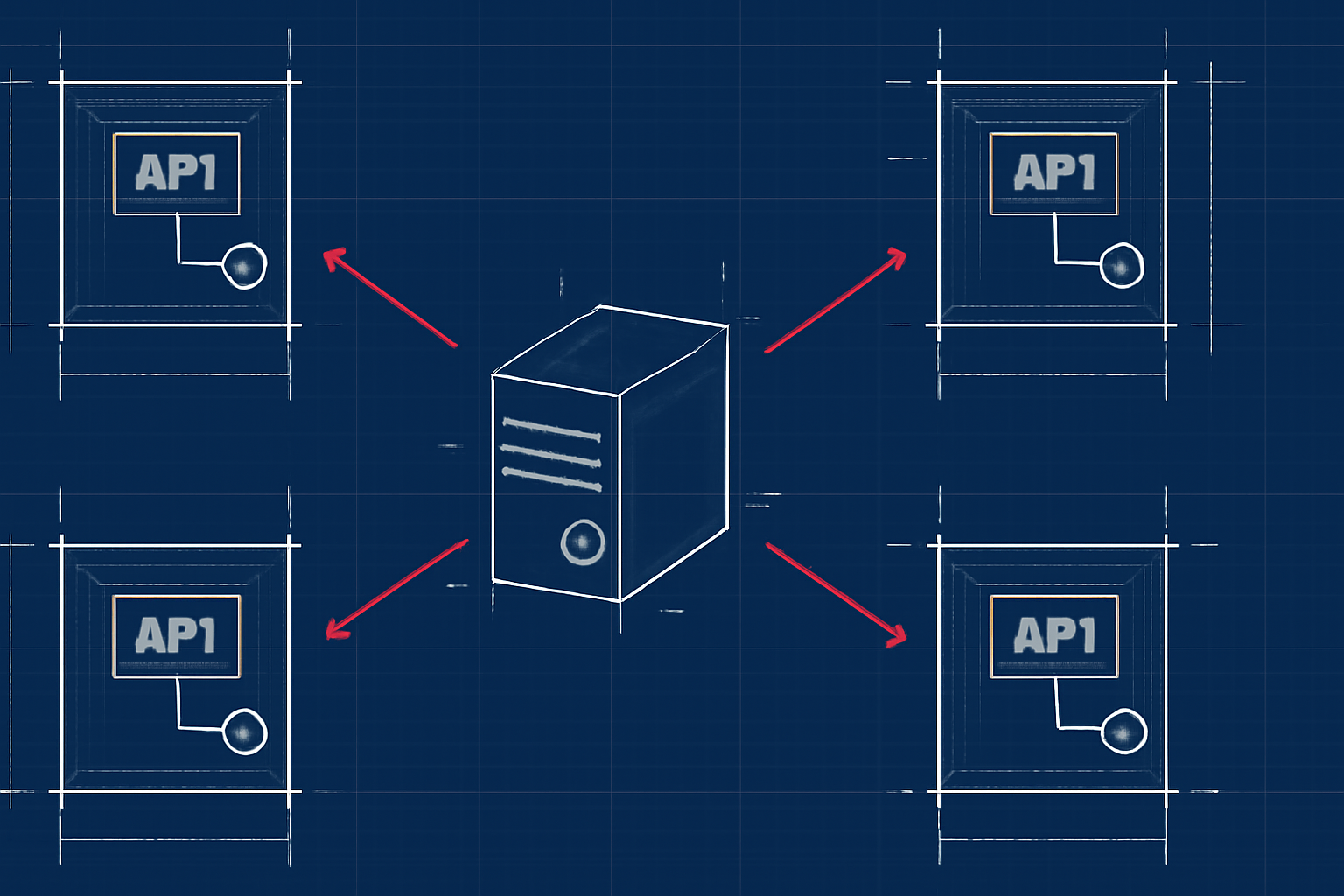
Top 4 EMPI APIs for Real-Time Patient Lookup in Modern EHRs
Real-time patient lookup is the part of an EMPI API the clinician actually feels. The registration clerk types a name, the system fans out across source systems, and a clean answer needs to come back fast enough that the clerk does not switch tasks. EMPI APIs that hit that latency budget reliably are a noticeably different shape from those that handle only bulk processing.
Four EMPI APIs that fit real-time lookup workflows in modern EHRs are below. For the broader picture, see the complete guide to FHIR master patient index for modern healthcare, and more on FHIR-based healthcare integration covers related tooling.
What Real-Time Lookup Requires
A few properties matter most:
- Sub-second p99 latency for the common lookup pattern.
- A search endpoint that combines structured fields (name, DOB, address) with reasonable typo tolerance.
- Streaming results that the UI can render progressively for large result sets.
- A consistent answer between consecutive lookups for the same input.
- A clean retry story when the EMPI is temporarily slow.
An EMPI API that meets all five fits a modern EHR registration flow cleanly.
The 4 EMPI APIs
- Aidbox MPI API. FHIR-native, designed for real-time lookup with predictable latency. Strong defaults for the registration use case.
- Verato API. Referential matching service with low-latency real-time lookup across stacks. Best for environments that need cross-stack identity resolution.
- Rhapsody EMPI API. Mature commercial option with strong real-time performance in deployments at hospital scale.
- Smile Digital Health MPI API. Pairs well with the rest of the Smile FHIR stack and offers acceptable real-time lookup latency.
For the broader API-first lens on the same shortlist, the top FHIR MPI tools for API-first healthcare platforms covers the related toolkit.
Where Real-Time EMPI Latency Quietly Slips
A few patterns that come up:
- Slow first lookup after deploy. Cold caches add latency the clerk notices.
- Inconsistent results between consecutive identical lookups. The matching layer is ordering candidates by an unstable secondary key.
- UI buffering. The API returns results fast but the UI buffers the full set before rendering.
- Hidden retries. The EMPI hits a transient error and retries silently; the user sees a stutter rather than an error.
A Real-Time Lookup Test
A short evaluation that takes about an hour:
- Pick a realistic search pattern (last name + DOB) and run it under expected concurrency. Measure p50, p95, p99.
- Run the same lookup twice in a row and confirm the result order is identical.
- Restart the EMPI and time the first lookup. Compare to steady-state.
- Force a transient error and verify the API reports it cleanly rather than retrying silently.
- Hand the API to a small UI and watch how the result renders for a 50-candidate response.
An EMPI API that survives all five tests is a strong fit for a real-time EHR flow. One that fails on the consistency or cold-start test usually creates clerk friction that no amount of training will fix.
A modern EHR earns trust during the first second of every registration. A clean EMPI API for real-time lookup is one of the small parts of the platform that, done well, the clinician never thinks about. Done poorly, it becomes the part they always complain about.
The shortlist above is conservative; every entry has been used by teams in modern EHR projects through 2025 and 2026. Pick based on the real registration workload the EHR will see, not on the demo, and the rest of the patient-data layer holds up.
Sources
- Patient $match operation specification - HL7 FHIR R5
- Why Patient Matching Is a Challenge%20Data%20Discrepancies%20in%20Key%20Identifying%20Fields.pdf) - AHIMA Journal PDF
- Office of the National Coordinator for Health IT (interop guidance) - ONC